Good morning, Slaters!Monday gave investors two versions of the same war. In the first, crude fell about 7%. Iran said it could reopen the Strait of Hormuz within two days if Washington met its conditions. There was no deal, but oil traded as if one was coming. In the second, the Wall Street Journal reported after the close that the U.S. had struck Iran's Qeshm Island that same day, the latest in a series of small, secret strikes. Six of Polymarket's ceasefire contracts were settled against the truce in about three hours. Brent got back less than $2 a barrel. That gap runs through this issue. Markets keep pricing clean endings to stories that are still running. Apple beat, then guided its margin lower on memory. Oracle set a $20 billion limit and raised all of it within a week. And today Americans vote, with Senate contracts at 76 cents. Let's get into it. 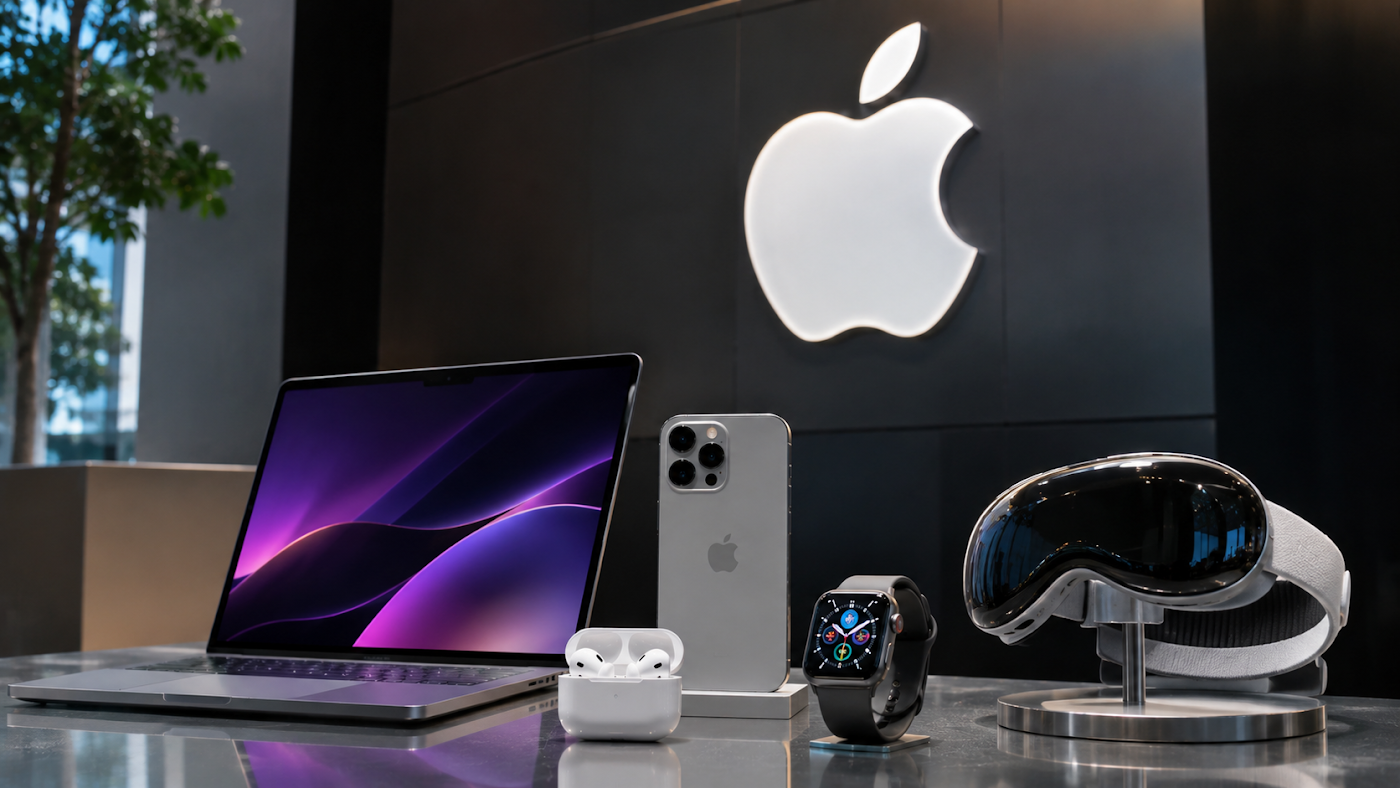
Daybreak Six ceasefire bets settled in three hours. Brent recovered less than $2.U.S. oil fell about 7% on Monday and settled below $97 a barrel, while Brent's new front-month contract settled at $104.77. Iran said Hormuz could reopen within two days on its terms. Washington had not accepted them. Then came the report that changed the board. After the close, the Journal said the U.S. had struck Qeshm, an Iranian island in the Strait of Hormuz, on Monday, the latest in a series of secret, small-scale strikes in recent weeks. U.S. officials later confirmed a limited strike and called it defensive. On Monday, President Trump told Fox News that "there hasn't been shooting for months." Polymarket did the rest. Its bets on the truce holding through Nov. 8 and Nov. 15 had drifted to 70.5 and 54.5 cents by late Monday afternoon. Within about 10 minutes of the report, they were at 16.5 and 12 cents. Within about three hours, the venue had resolved both "No," along with contracts for Nov. 4, Nov. 22, Nov. 30 and Dec. 31. Here is where it gets interesting. The Oct. 31 and Nov. 2 contracts, which expired near 99 cents, are now under dispute. If any earlier secret strike hit Iranian land before those deadlines, they should have paid "No" too. They trade near 88 and 78.5 cents, so traders still lean toward Monday being a one-off. No dates or locations for earlier strikes have been reported. Now compare the reactions. The strike contracts moved 40 points or more. Brent was near $106.50 early Tuesday, less than $2 above Monday's settle. The market signal? Crude is pricing a binary: a deal, or a return to war after the vote. Monday's reporting points to a third state, a low-grade conflict that never fully stopped, and oil has barely priced it. If WTI climbs back above $100 while the remaining November contracts sit at pennies, the premium Monday erased is coming back. Delta (DAL) and United (UAL) each rose more than 4% on the oil drop and would be the first trade to reverse. Pulse Check The bounce lasted one morning. Chips led it back down.The Philadelphia semiconductor index rose nearly 2% in Monday's first hour, then finished down 3.4%, on top of Friday's 7.2% drop. AMD (AMD) lost 7.5% a day before it reports. Intel (INTC) fell 8.8%. The Dow rose 0.4% while the S&P 500 fell 0.5% and the Nasdaq 1.1%. The VIX still closed above 21. A Dow up day with fear rising reads as rotation, not appetite. The sharpest example sits inside a deal. Marvell (MRVL) agreed to buy Lumentum (LITE) for 4.5 Marvell shares each, a package valued at about $1,132 on Oct. 28 prices. Marvell has lost about 32% since. At Monday's close, the offer was worth about $771, and Lumentum traded about 11% below even that. Marvell fell 12.7% on the day and Lumentum 18.6%. Then there is the Fed. Oil fell about 7%, and the odds of a December hike barely moved, holding near three in four on CME FedWatch. Factories gave the hawks cover: the ISM index rose to 55.5, and production hit 59, the highest since November 2021. The market signal? The December hike case no longer rests on oil. It rests on activity, so cheaper crude helps airlines but does little for the rate trade. AMD reports tonight after losing nearly 18% in two sessions. A gain that holds would say Friday's rout was about Intel's outlook. Another drop would say AI hardware is being repriced as a group, which is a bigger problem for the Nasdaq than any single quarter. Who Moved the Mic? Apple beat on revenue and earnings. Then it said one word: memory.Apple (AAPL) reported record September-quarter revenue of $114.5 billion, up 12% and above the roughly $113.4 billion expected. It earned $2.10 a share against $1.99 expected, and iPhone sales rose about 17%. The stock fell anyway. Apple guided December-quarter gross margin to 45% to 46%, below analysts' estimates. Finance chief Kevan Parekh pinned it on "primarily the impact of higher memory costs, as well as some costs related to the ramp of Siri AI," and said he expects memory costs to keep rising into next year. Chief Executive John Ternus, in his first quarter in the job, called memory pricing unprecedented. Services growth is guided to 8% to 9%, below the roughly 10.7% analysts had modeled. Read those words carefully, because the headline gap overstates them. The quarter's 47.9% gross margin included about one point from tariff refunds. Strip that out and the base is about 46.9%, so the guide is a step down of one to two points, not two to three. The shares slid as much as 4% during the call and ended after hours at $328.81, down 2.8%. Palantir (PLTR) delivered the other beat-and-fade. Revenue rose 96% to $2.31 billion. U.S. commercial sales passed U.S. government sales for the first time, and the company raised its full-year forecast to about $8.53 billion. An early after-hours gain did not survive overnight trading. The market signal? Memory has moved from chipmakers' order books to the buyers' margin lines, and a company valued on steady margins just said it cannot fully pass the cost through. If Apple steadies in regular trading today, the market is treating this as a supply squeeze it can live with. If the selling spreads to other device makers, the AI memory boom has started taxing everyone who doesn't sell memory. FROM OUR SPONSORS It's not Nvidia. It's not OpenAI. It's not Google. It's a San Francisco AI lab whose technology is used by eight of the ten largest companies in America — and which Bloomberg calls the highest-revenue AI company on earth. Trump banned it from every federal agency and the Pentagon blacklisted it. The reason isn't what you think. Full details here. World, Uncomplicated Australia hiked. Its currency fell.The Reserve Bank of Australia raised its cash rate a quarter point to 4.85% on Tuesday, its fifth increase of 2026 and the highest level since December 2008. Markets had expected it. The surprise was the split. Six board members voted to hike and three voted to hold. The RBA also pushed back its inflation forecast: it now expects inflation to fall back to the top of its 2% to 3% target only in late 2027, about three quarters later than before. And it named a new source of pressure: "AI-related investment is driving rapid growth in prices for technology-related goods." A hike usually lifts a currency. The Australian dollar slipped to about 69.7 U.S. cents instead. Asian tech shares were falling hard and the U.S. dollar was firm, so the vote isn't the only explanation. The three dissents may also signal a board nearing the end of its cycle. Economists expect the Bank of England to hike to 4% on Thursday, its first increase since August 2023. The market signal? A central bank has now put AI investment into its inflation math. Apple flagged a related cost, memory, hours earlier. If the Bank of England also hikes on a split vote, the global message shifts toward "one more and done," which would be friendlier for bonds than the hikes themselves suggest. Beyond the Candles Bitcoin barely moved. One fund lost $405 million.On the price chart, Monday was quiet. Bitcoin ended near $76,700. The flows were not. U.S. spot bitcoin ETFs lost a net $398.6 million. The iShares Bitcoin Trust, run by BlackRock (BLK), saw $405.3 million of redemptions on its own, its biggest daily outflow since June. Fidelity's fund took in $6.7 million and the rest were flat. One fund lost more than all of them combined. Two sessions have now pulled about $1 billion out of the funds, roughly erasing the category's net gains for 2026. Spot ether ETFs lost about $140 million, their sixth straight day of withdrawals. Coinbase (COIN) fell 4% to $137.83 after touching a new 52-week low. Scale cuts both ways. The funds still hold about $98.1 billion, so Monday's exit was about 0.4% of assets. And Binance began a second phase of reopening withdrawals overnight, after net outflows from the exchange slowed to about $2.6 billion on Monday from about $6.1 billion on Sunday. The market signal? When one fund's redemptions exceed the whole category's, the likelier explanation is one or a few large holders, not a broad retreat. That is an inference, not a named seller. Watch whether the BlackRock concentration repeats in today's flow data. The level that matters sits just below: Strategy (MSTR) holds its bitcoin at an average cost of $75,451, less than 2% under Monday's price. A break below that number turns a flow story into a balance-sheet story. Under the Hood Oracle used its whole $20 billion limit in a week. Now we know the price.At its Oct. 28 investor day, Oracle (ORCL) capped new capital raises through fiscal 2030 at $20 billion, half stock and half debt, excluding refinancing. The stock jumped 10.7% that day. On Monday it filed to sell the entire $20 billion, and the shares fell 8.9% to $119.10. Overnight, the bill arrived. Oracle sold 86.2 million shares at $116, about 11% below Friday's close. Its $10 billion of notes came in five fixed-rate tranches, paying 7% on money due in 2029 and 8.65% on money due in 2046. A floating-rate series in the earlier filing was dropped. Oracle had about $125 billion of notes payable and other borrowings at Aug. 31, Reuters reported, and its prospectus puts consolidated indebtedness at about $236.1 billion. It does not expect free cash flow to turn positive until the second half of fiscal 2028. Now look at who funds everyone else. The Fed's loan officer survey, out Monday, showed banks tightened standards on every type of loan to nonbank lenders they were asked about, private equity funds included, even as those funds asked to borrow more. The exits are narrowing too. Investors in Partners Group's flagship U.S. private equity evergreen fund asked to redeem about $2.21 billion last quarter. The fund paid its 5% cap, $728.4 million, and prorated the rest. That is about a third of requests, against about 83% in the second quarter. The market signal? An 8.65% coupon on 20-year paper is what AI capital now costs a borrower carrying more than $125 billion of borrowings. Watch Oracle against $116 once the deal closes Wednesday: holding above it means buyers accept the dilution, and falling through it means the next AI raise gets priced wider. In private equity, the tell is Partners Group's next window, closing Nov. 27. Another prorated quarter would make the 5% gate the norm, not the exception. What's Brewing - Today is Election Day, and the Senate is already trading. Polymarket prices Democratic control at 76.5 cents and Kalshi at 76. The money behind those prices is thinner than it looks: Polymarket's order book for the contract shrank to about $977,000 from about $2.6 million a day earlier. How the contracts pay out depends on the fine print. Kalshi can settle early on a media consensus, while Polymarket resolves on seats won, so a close race could tie up money for weeks. Results arrive after the U.S. close.
- AMD reports tonight. Arista Networks (ANET) and Super Micro Computer (SMCI) report alongside it, and September job openings land this morning.
- Wednesday brings Treasury's refunding plan, after it said its underlying borrowing need this quarter is $24 billion higher than it told markets in August. Circle (CRCL), Qualcomm (QCOM) and Arm (ARM) report the same day, and October payrolls close the week on Friday.
- The market signal across all three? Each one tests a price set before the facts: a Senate at 76 cents, a chipmaker down nearly 18% in two days, and a hike bet near three in four that barely moved on a 7% oil drop. Whichever breaks first sets the tone for the rest of the week.
Meme of the Day 
That's it for today's Slate. Votes tonight, AMD after the bell, and a ceasefire market that settled before the oil market did. Stay close to the feed. Today's reply prompt: Did Qeshm change your oil view, or is Monday's 7% drop still the right price? AI Found the Target. AI Designed the Drug. Now It's in Phase III.For years, AI drug discovery had a problem. Plenty of models. Very few medicines.
That's changing. One company says AI identified the biological target and then designed the molecule to hit it. In September, the first patient in its Phase III trial was dosed.
It isn't alone. A second AI-engineered medicine is in Phase III, and Big Pharma is now paying for the technology.
We profiled the 5 companies pushing AI into real drug development in a new FREE Special Report: AI Moves Into the Biotech Lab.
We'll text it straight to your phone. Get the Free Report by Text → |